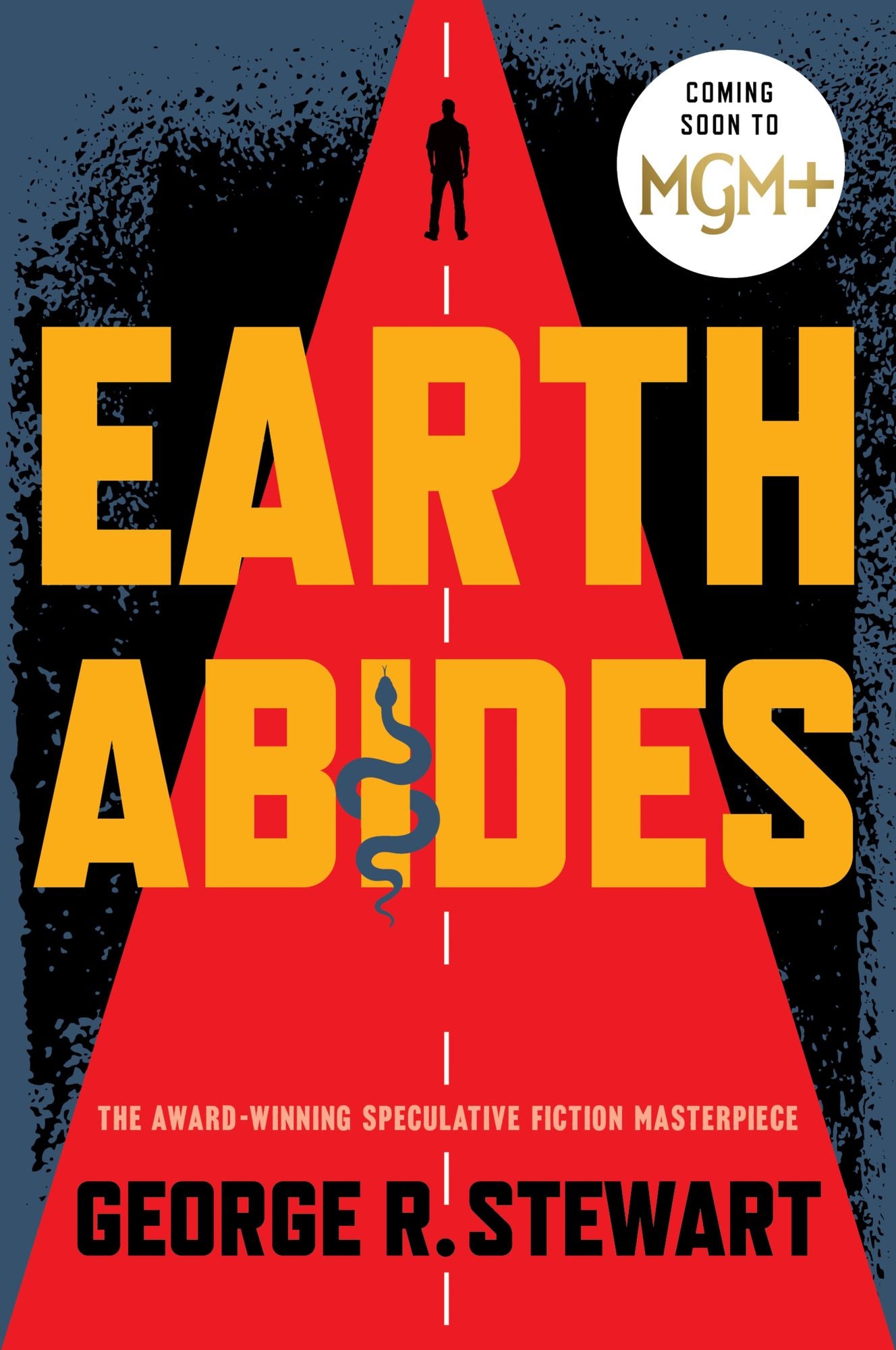
Earth Abides

For Isherwood Williams, his cabin has always been a haven from the demands of society. But one day while hiking, Ish is bitten by a rattlesnake, and the solitude he had so desired takes on dire new significance. Because not long after, the coughing begins. Then the chills and fever and a measles-like rash. He thinks it’s a reaction to the bite. What he doesn’t know that the venom might be the only thing that kept him alive. For when Ish heads home the world is not as he left it. No cars pass, the gas station not far from his cabin looks abandoned, there’s nothing on the radio, and he is shocked to see the body of a man on the roadside near a small town. He has missed humanity’s abrupt demise, only to find himself at the center of society’s rebirth. This is a chance to start over, and as Ish gathers survivors to him, he discovers just how wondrous and terrible that proposition is. And when, decades later, he looks back on his legacy, he is only starting to understand the challenge between enlightenment and practicality. He had left one world, rejoined another, and now leaves-hopefully-an even different world behind. Because, reluctantly or no, his words and actions carry weight for the next generation, and Ish’s vision of the future may be one of prophecy…or doom.

While there’s some naive ideas on how long technology will survive and some wildly racist tropes, this is a solid post-apocalyptic story told through the eyes of a man that rages against the loss of progress, but is ineffective at making any noticeable successes. Every character other than the main character is a barely functional person with limited skills, limited intelligence, and limited aspirations. Everyone just lives off the fruit of the land and for many YEARS they only eat food they can pick or get from a can, clothing is only taken from stores, and tools aren’t maintained or created. There’s a few glimmers of hope towards the end of the story, but they’re not very bight.

One good thing about the story is how it’s formatted, with three distinct time periods with two giant time jumps between them that serve to move characters forward in time, I haven’t read many books that take that risk and for the most part it works out here. What’s more interesting about this book on the whole is how many people it influenced and how many other (better) stories came after it. Much like Snow Crash, going back to read the first book in a genre is a painful experience with a ton of stuff in it that doesn’t work, but the things that do work will have been well played out by subsequent stories.

Buy On Amazon!

You may also like...

Leave a Reply